Smart Energy Systems coordinate generation, storage, and consumption across homes, communities, and the grid. They rely on smart metering, sensors, and interoperable protocols to give real-time visibility and automation. The approach emphasizes reliability, cost, and climate impact through demand response and proactive participation. With scalable architectures and distributed assets, they balance supply and demand, reduce waste, and empower user-centered decisions. The implications for policy, investment, and operations remain substantial, inviting a careful examination of practical milestones.
What Are Smart Energy Systems and Why They Matter
Smart energy systems integrate generation, storage, and consumption across multiple technologies and actors to optimize reliability, efficiency, and cost. They coordinate resources to balance supply and demand, reduce waste, and adapt to variability.
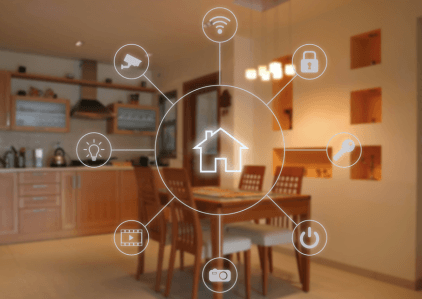
For households and communities, this enables home optimization and proactive participation. With distributed assets, grid resilience improves, while transparency supports informed decisions and flexible, value-focused energy usage.
See also: The Role of Crypto in Emerging Markets
Core Technologies Powering Smarter Grids and Homes
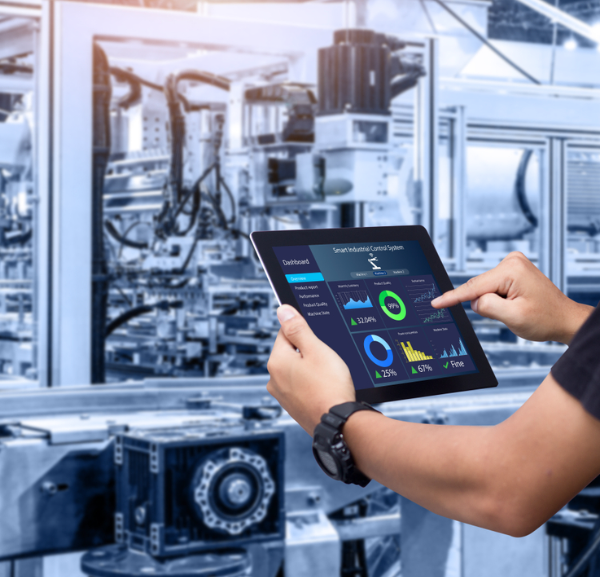
The architecture integrates smart metering and distributed sensors with interoperable protocols, enabling real-time visibility and automation.
Demand response optimizes demand profiles, aligning consumption with supply, enhancing resilience, and empowering autonomous, user-centered decision making within a flexible, scalable grid and home energy ecosystem.
How Smart Energy Systems Optimize Cost, Reliability, and Climate Impact
How do smart energy systems balance cost, reliability, and climate impact in an integrated, scalable framework? They coordinate generation, storage, and demand responses to minimize expenses while maintaining service levels.
Cost optimization emerges from asset utilization, dynamic pricing, and lifecycle thinking; reliability planning anchors resilience with fault tolerance and maintenance scheduling.
Climate impact is reduced via carbon-aware dispatch and efficient energy mix.
How to Start Implementing a Smart Energy System at Home or Business
Implementing a smart energy system at home or business begins with a clear assessment of current energy flows, infrastructure, and goals, followed by a structured plan that integrates generation, storage, and demand management.
Practically, it guides phased implementation, evaluating hardware choices, control software, and interoperability.
Emphasize home energy storage and demand response, ensuring reliable operation, scalability, and freedom from lock-in, with measurable milestones.
Frequently Asked Questions
What Are the Long-Term Privacy Implications of Smart Energy Systems?
Long-term privacy implications include persistent data trails revealing consumption patterns, device usage, and behavior. The system design should emphasize privacy risks assessment and data minimization, ensuring least-collection, anonymization where feasible, and robust governance to preserve user autonomy and freedom.
Can Smart Energy Systems Fail During Power Outages?
During a blackout, smart energy systems can fail if critical sensors lose connectivity, but architectures with redundancy mitigate outage resilience and reliability challenges, preserving essential loads while revealing vulnerabilities in communication, storage, and control algorithms for freedom-seeking users.
How Do Cyber Threats Affect Smart Grid Devices at Home?
Cyber threats can disrupt smart grid home devices and energy systems by spoofing data, hijacking controls, or draining devices, undermining reliability. Analysts emphasize resilience, segmentation, and robust authentication to protect interconnected home sensors, meters, and distributed energy resources.
What Incentives Exist for Retrofitting Older Buildings?
Incentive programs exist to retrofit older buildings, including Retrofit grants, Tax credits, and Financing options. These mechanisms support cost recovery and risk management, enabling scalable upgrades while preserving autonomy. Subtopic idea: cost-benefit analysis; policy design.
How Do Energy Storage Choices Impact Land and Material Use?
Storage materials influence land use and material intensity: heavier, denser storage demands increase land footprint and extraction, while lighter, modular options reduce material throughput. A systems-oriented view shows tradeoffs between efficiency, recyclability, and long-term flexibility for freedom-seeking innovators.
Conclusion
Smart energy systems integrate generation, storage, and consumption into a cohesive, adaptable network. From sensors to interoperable protocols, these systems deliver real-time visibility, automation, and demand responsiveness, aligning grid reliability with user costs and climate goals. A notable stat: households with dynamic pricing and smart controls can reduce peak demand by up to 20–30%, translating to lower bills and deferred infrastructure upgrades. Practically, start with a home energy assessment, then install smart meters, controllable devices, and a scalable storage plan to evolve toward a resilient, efficient grid.