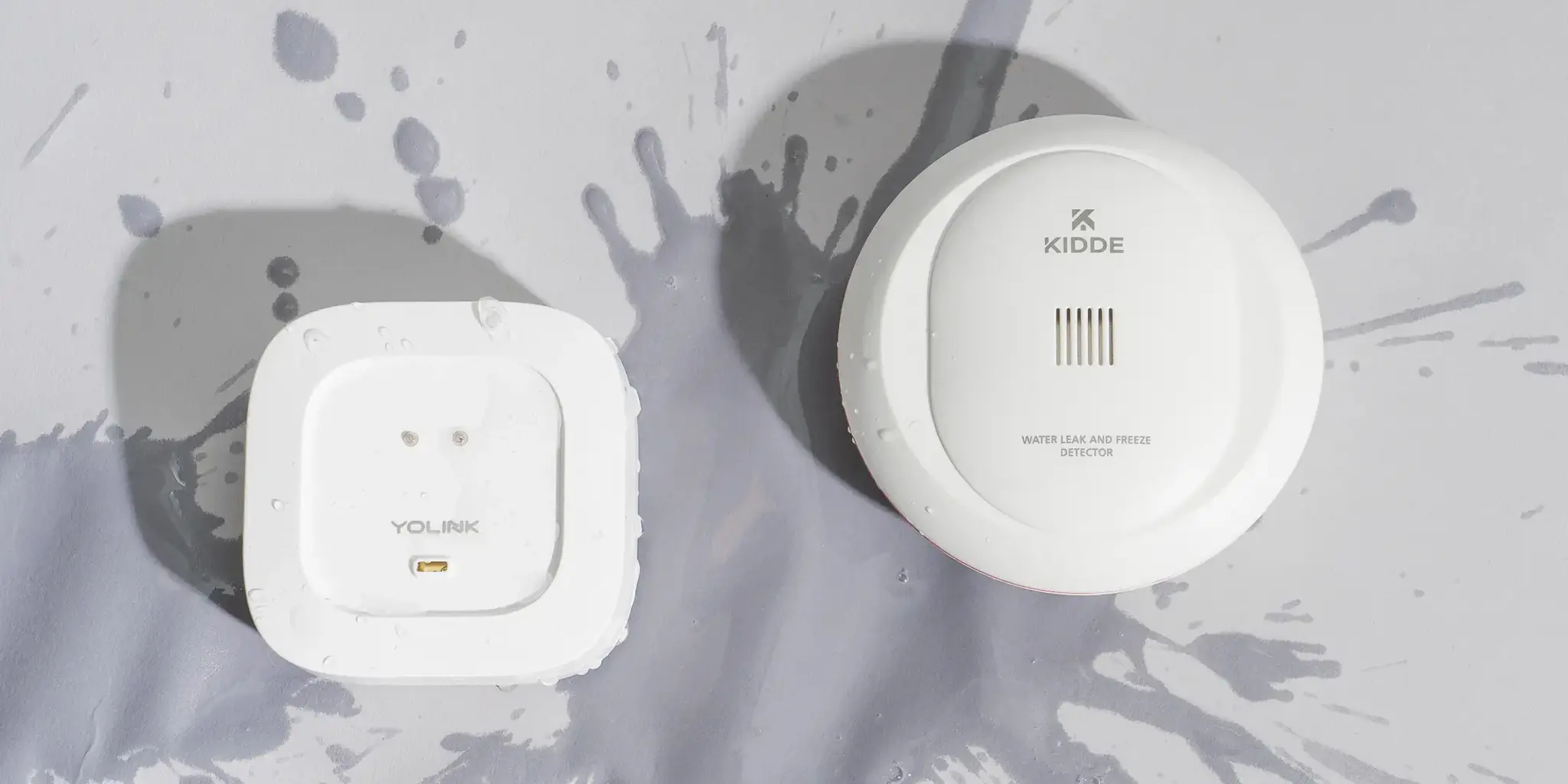
Smart leak detectors monitor moisture and gas around the clock, offering alerts and sometimes automatic shutoffs. They’re most useful in risk-prone areas—basements, flood-prone rooms, and homes with prior plumbing issues—but they come with cost and privacy considerations. Reliability, clear alerts, and easy app integration matter. Before deciding, weigh your environment, budget, and maintenance needs to see if protection aligns with your safety goals and daily life, and consider how a detector could change risk management in your home.
What Smart Leak Detectors Do and Why They Matter
Smart leak detectors monitor for the presence of unwanted moisture or gas leaks, and they respond by alerting occupants and, in some models, automatically triggering shutoff valves or alarms.
A smart sensor collects environmental data, balancing water alerts with data privacy considerations.
They enhance safety, monitor battery life, and provide clear guidance for proactive maintenance, supporting a freedom-focused, informed homeowner.
Do You Need One? Real-Life Scenarios and Decision Criteria
Are smart leak detectors worth it in every home, or are there specific signs that suggest a more selective approach? In real-life contexts, a need based assessment helps households weigh risk—plumbing with history, basements, or flood-prone areas. Decision criteria emphasize practical coverage, cost, and false alarm handling to balance freedom with proactive protection and informed, responsible choices.
Features That Make a Detector Worth It
A detector’s value hinges on specific features that directly affect usefulness in daily use and long-term reliability. Practical design prioritizes reliability, clear alerts, and straightforward maintenance, minimizing false alarms. High sensitivity ensures early warnings without chaos. Cross compatibility with apps and hubs expands integration, while durable construction supports long-term placement. Intuitive setup reduces hesitation, maximizing peace of mind and functional freedom.
How to Choose, Budget, and Use for Peace of Mind
Choosing the right leak detector involves a simple, methodical approach: identify the environment, map out risk areas, and balance cost with reliability.
The selection emphasizes coverage quality and battery life, ensuring dependable alerts without frequent replacements.
Budget tips include weighing upfront price against long-term maintenance.
Use plans detail placement, testing routines, and clear rehab paths to maintain peace of mind and actionable prevention.
See also: Smart Farming and Sustainability
Frequently Asked Questions
How Long Do Smart Leak Detectors Typically Last on Battery?
Battery life for smart leak detectors typically lasts about 1–2 years on standard alkaline or non-replaceable cells; models with replaceable batteries vary. Consider cost considerations, device efficiency, and environmental factors when evaluating long-term value and reliability.
Can Detectors Differentiate Between Water and Humidity Triggers?
Detectors can differentiate, but not perfectly: water detection triggers sharply, while humidity sensing addresses gradual moisture clues. In practice, reliable alerts require both sensors working together, offering practical, reader-focused protection for those who value freedom from surprises.
Do Smart Detectors Require Professional Installation or Can I DIY?
DIY installation is feasible for many smart detectors, though some models offer professional setup options; battery life varies by device and usage, with longer-life designs common. The choice depends on preferred balance of independence and convenience.
Are There Privacy Concerns With Connected Leak Detectors?
Like a quiet sentinel, a smart leak detector raises privacy implications and data ownership questions. The device can collect usage patterns and location data; users should review policies, control data sharing, and opt out where possible to preserve freedom.
What Is the Best Return on Investment Timeline for These Devices?
ROI timing for these devices typically lands within 1–3 years, depending on home size and insurance incentives; battery lifespan influences maintenance intervals, but long-term cost savings exceed initial expense when leaks are promptly detected and mitigated.
Conclusion
Smart leak detectors add proactive protection where moisture and gas pose the biggest risks, but they aren’t a universal must-have. For homes with basements, frequent flooding, or prior pipe issues, they offer rapid alerts and automation that can prevent costly damage. One striking stat: early leak detection can reduce water damage claims by up to 50% in some cases, highlighting value when paired with good maintenance and a clear safety plan. Choose a system aligned with deployment, reliability, and privacy needs.