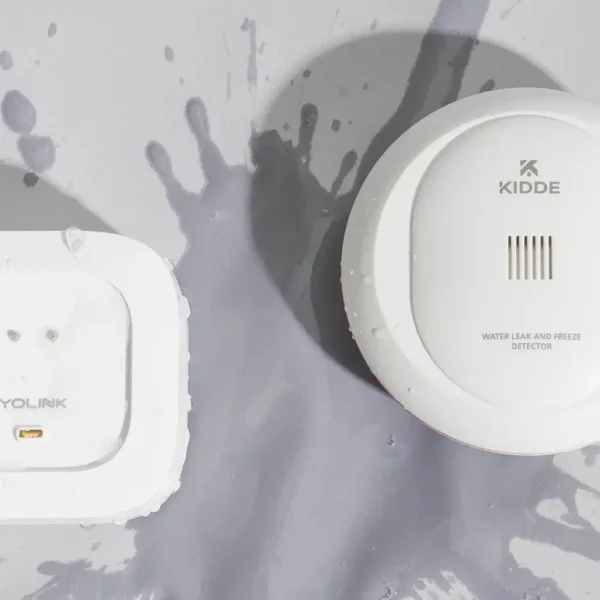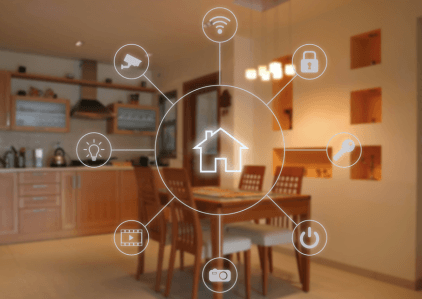
Smart home technology trends center on affordable, interoperable systems that emphasize energy efficiency and user control. Interoperability enables seamless control across platforms, while AI personalizes environments with context-aware decisions and adaptive sensors. Privacy safeguards remain crucial as voice interfaces gain adoption. Practical upgrades favor reliability, modular expansion, and mesh networking to reduce vendor lock-in. The result is scalable, energy-conscious living environments—yet the balance of openness, security, and ease of use is still being negotiated, inviting continued examination.
What Trends Are Driving Smart Home Tech Now
Smart home technology is increasingly shaped by a convergence of affordability, interoperability, and data-driven automation. Market momentum centers on energy efficiency gains, with devices optimizing consumption and demand response. Interoperable ecosystems reduce friction, enabling seamless control across platforms. Voice control remains a pivotal access point, expanding user autonomy while preserving privacy considerations. Trends emphasize open standards, scalable security, and consumer empowerment through transparent, adaptable automation.
How AI Is Personalizing Home Automation
AI is increasingly shaping home automation by delivering personalized, context-aware experiences that adapt to users’ routines and preferences. The trend highlights AI-driven systems identifying patterns to configure environments with minimal input, elevating efficiency and comfort. Adaptive sensors detect subtle changes, enabling responsive lighting, climate, and security. Decisions emphasize user autonomy, reducing manual tweaks while encouraging scalable, privacy-conscious customization through transparent, interpretable automation.
Interoperability and Privacy in Modern Ecosystems
The analysis highlights interoperability challenges as ecosystems converge, increasing complexity but broadening compatibility.
Simultaneously, privacy tradeoffs emerge from data-sharing norms and telemetry.
Stakeholders favor open standards and transparent governance to preserve user control, resilience, and freedom while avoiding vendor lock-in and opaque practices.
Practical Upgrades and Next-Gen Features to Watch
The convergence of interoperable ecosystems heightens the importance of practical upgrades and next-generation features, as manufacturers and users seek tangible benefits without adding complexity. This trend prioritizes invisible reliability and modular expansion.
Energy harvesting and mesh networking emerge as practical enablers, reducing maintenance and latency while enhancing resilience, scalability, and freedom to customize layouts without centralized constraints or vendor lock-in.
See also; Smart Farming and Sustainability
Frequently Asked Questions
What Are the Costs to Start a Smart Home Setup?
Initial costs vary widely, with entry kits starting around a few hundred dollars and comprehensive systems surpassing thousands; cost considerations include device interoperability, ongoing maintenance, and potential integration fees. Overall, freedom-seeking buyers favor scalable, interoperable, budget-conscious setups.
How Secure Is Data in Smart Home Systems?
Data in smart homes is guarded by data encryption and device authentication, but vulnerabilities emerge from rushed setups and legacy devices; allegorically, a lighthouse’s beacon requires proper maintenance to keep its signals trusted, adaptable, and trend-aware for freedom-seeking users.
Can Smart Tech Help With Accessibility Needs?
Smart tech can enhance accessibility benefits by enabling adaptive interfaces that adjust to user needs, simplifying control, and reducing effort. Analysts observe trend potential, noting customizable voice, gesture, and display options empower users seeking autonomy and inclusive freedom.
What Maintenance Is Required for Smart Devices?
Maintenance is ongoing: devices require periodic checks, firmware updates, and battery or power assessments. Maintenance reminders signal routine care, while firmware updates enhance security and performance, ensuring continued reliability amid evolving trends and user autonomy.
Do Smart Homes Increase Home Resale Value?
Smart homes can positively affect resale value, though effects vary; smart home depreciation may occur if technology becomes obsolete, while resale market impact favors buyers seeking modern, efficient features, durable installations, and scalable, vendor-agnostic systems.
Conclusion
The trends converge on efficiency, interoperability, and user empowerment. As AI personalizes settings and optimizes energy use, households become more responsive, yet private. Open standards and mesh networks reduce vendor lock-in, enabling scalable growth without complexity. Voice interfaces offer convenient control, while privacy safeguards maintain trust. Practical upgrades—modular, reliable, energy-harvesting—support continued expansion. In this evolving landscape, homeowners gain adaptive environments, installers find reusable components, and ecosystems flourish through consistent, interoperable improvements.